Valencia is
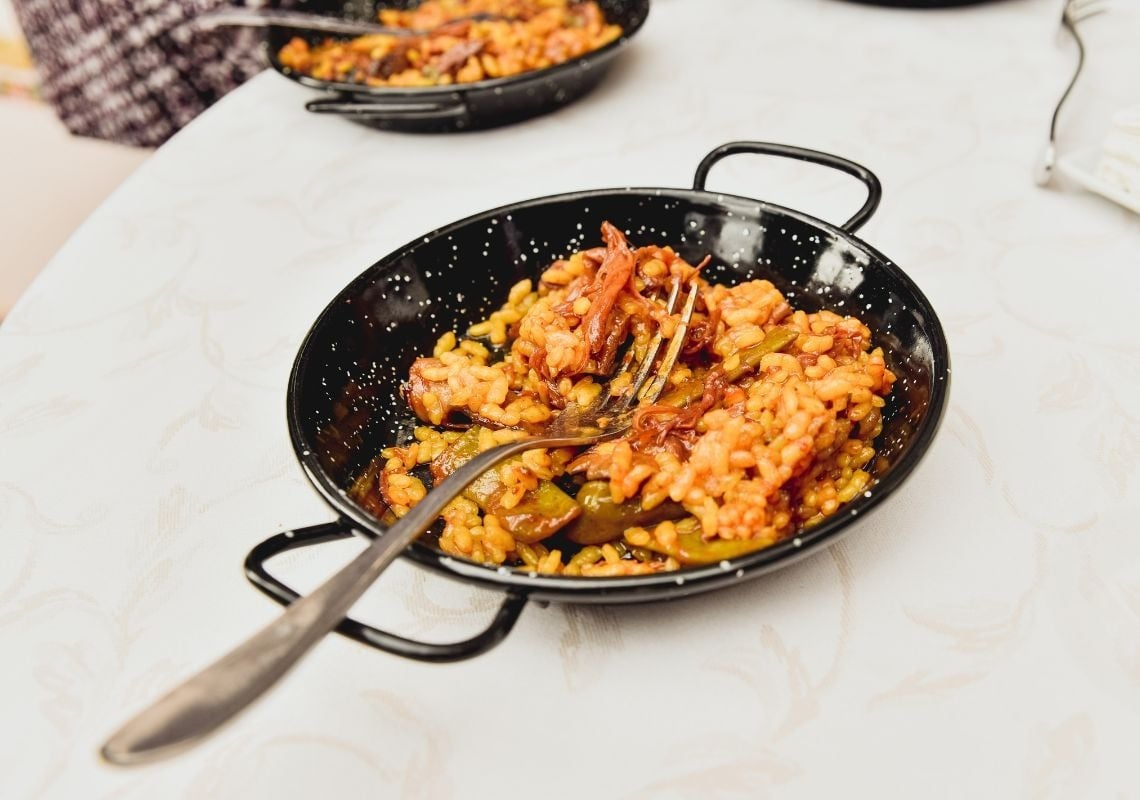
much more than paella. With that, we don't mean you shouldn't treat yourself to an authentic Valencian paella. If you've tried it before and didn't love it, give it another chance; what you eat here is nothing like any other. Besides, there are as many types of paella as there are families, but we can talk about that later on
our blog.
The Valencian Breakfast: Light... But With Personality
Although breakfast is lighter than in other regions, Valencians don't give up a good bite to start the day:
- Toast with grated tomato and olive oil
- Some typical sweet like fartons or ensaimadas
- And if they feel like a treat... a cold glass of horchata
But the important part comes later...
The Holy Esmorzaret: The Most Sacred Ritual
If something defines an authentic Valencian, it is the esmorzaret, a tradition that goes beyond eating: it is almost popular culture.
Between 10:00 AM and 12:00 PM, you will see bars full of workers, retirees, friends, or students enjoying a good brunch:
- Generous sandwiches (brascada, blanco y negro, chivito…)
- Cacaus del collaret (peanuts with skin)
- Olives
- A good beer or a soft drink
- And the classic cremaet to finish
This ritual is so important that it even has its own "ranking" and local competitions.
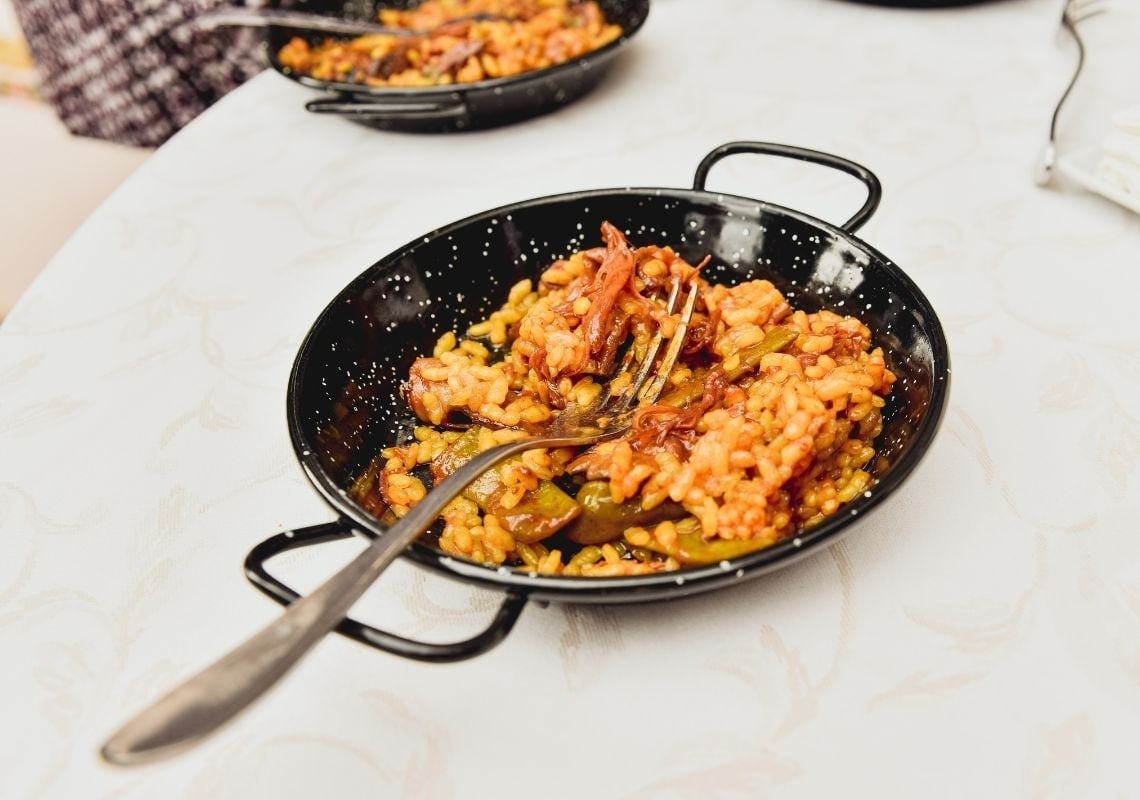
If we continue talking about rice dishes, in Valencia there is an infinite variety: black rice,
baked rice (one of the favorites in every Valencian home), arròs del senyoret, a banda, melòs, caldós, amb bogavant, etc. To try them, we recommend
Search restaurants in the Marina that
use fresh ingredients, such as the (also classic) Casa Carmela.
Lunch: Paella, But Done Right
Unlike tourists, Valencians don't eat paella just any day or at any time. For them, paella is a ritual to be respected. It is eaten only at lunchtime, never at night, and the day par excellence is Sunday, when entire families gather at home or in a good restaurant to enjoy it. Furthermore, paella is always shared; it is never ordered individually. In Valencia, rice dishes are also the stars of midday, from the Valencian paella with chicken, rabbit, and garrofó beans, to the arroz del senyoret, baked rice, fideuà, or all i pebre, especially typical of the Albufera. Eating in the port area is especially authentic, with restaurants that fuse tradition and fresh seafood.
The Afternoon Snack: Horchata and Fartons
In the afternoon, Valencians enjoy the snack time as a sweet, fresh, and very social moment. Natural tiger nut horchata, served very cold, becomes the star of hot afternoons, accompanied by long, fluffy fartons that are dipped without shame. In winter, the snack time changes tone, and hot chocolate and churros appear, although artisanal ice creams are a classic that never goes out of style. Horchata is not just a drink: it is part of the Valencian identity.
For dinner: Whatever you fancy
The most typical dinner in Valencia is really to go to an area with a high concentration of bars, such as the Cabañal, Ruzafa, or Alameda area, and go for some appetizers and end up having dinner by "tapeando" (eating tapas). What matters is the mixture of feeling comfortable with the company you are with and being in an environment where there are people and you feel at ease.
Conclusion — Eating in Valencia is Connecting with its Soul
Discovering how an authentic Valencian eats is entering the heart of the city: tradition, products, and customs that are passed down in every bite. From the shared solemnity of the Sunday paella to the freshness of an afternoon horchata, Valencian gastronomy organizes the day and social life of its inhabitants.
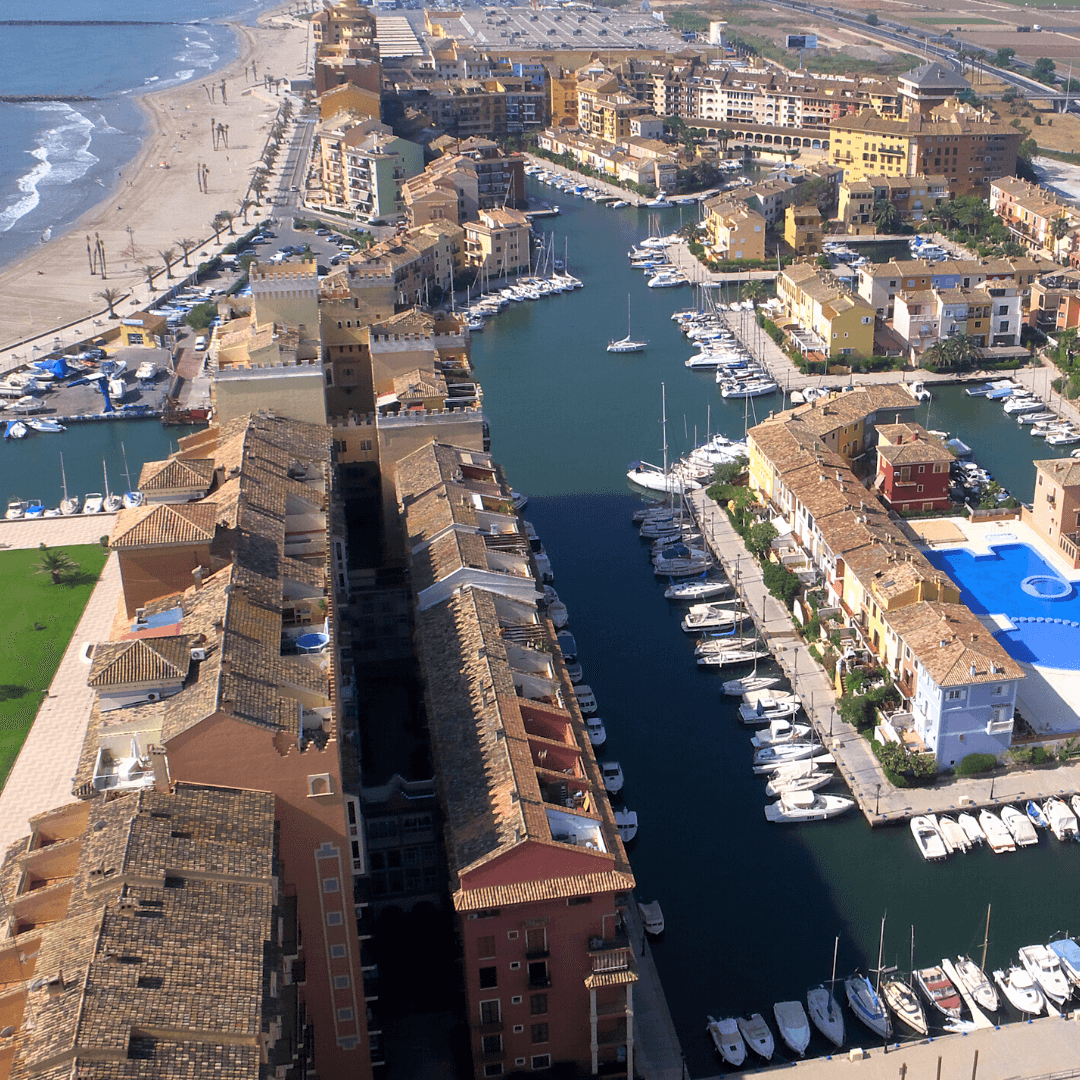
Eating in Valencia is not just about fueling up; it is about participating in rituals, gathering together, and savoring the Mediterranean with ease. If you are looking to live the full experience — between beach, market, and port — staying in a strategic point makes it easier to connect with the city and its flavors.
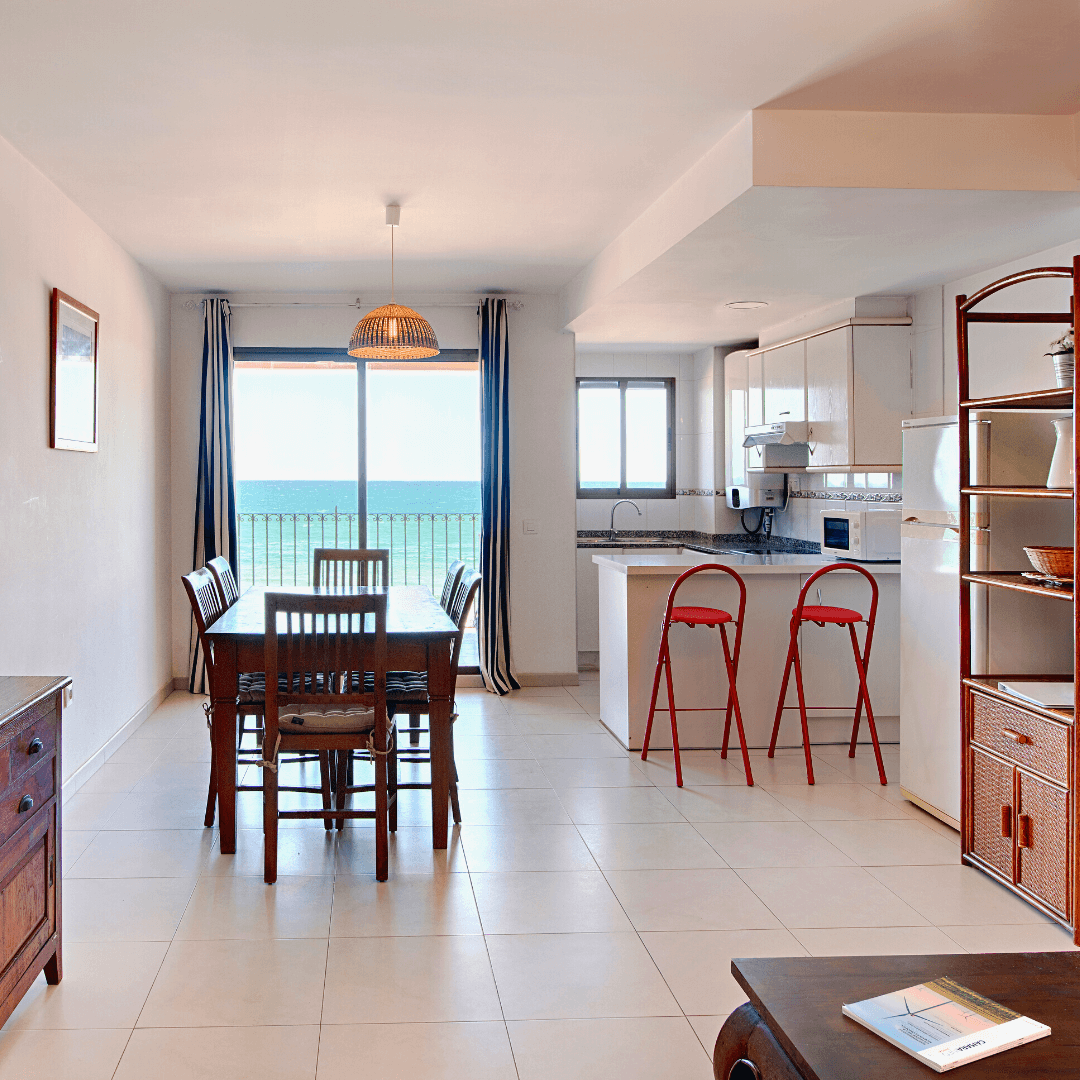
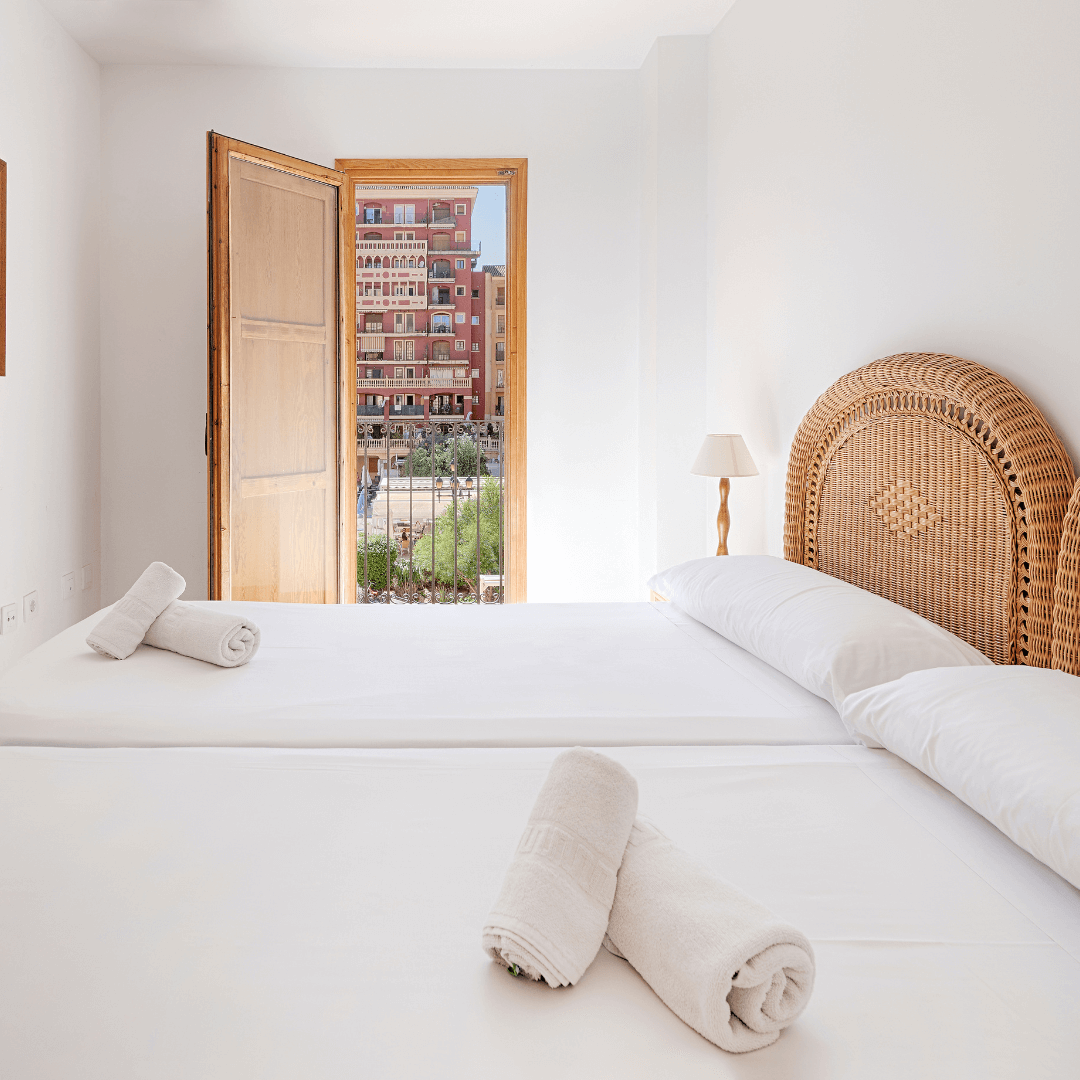
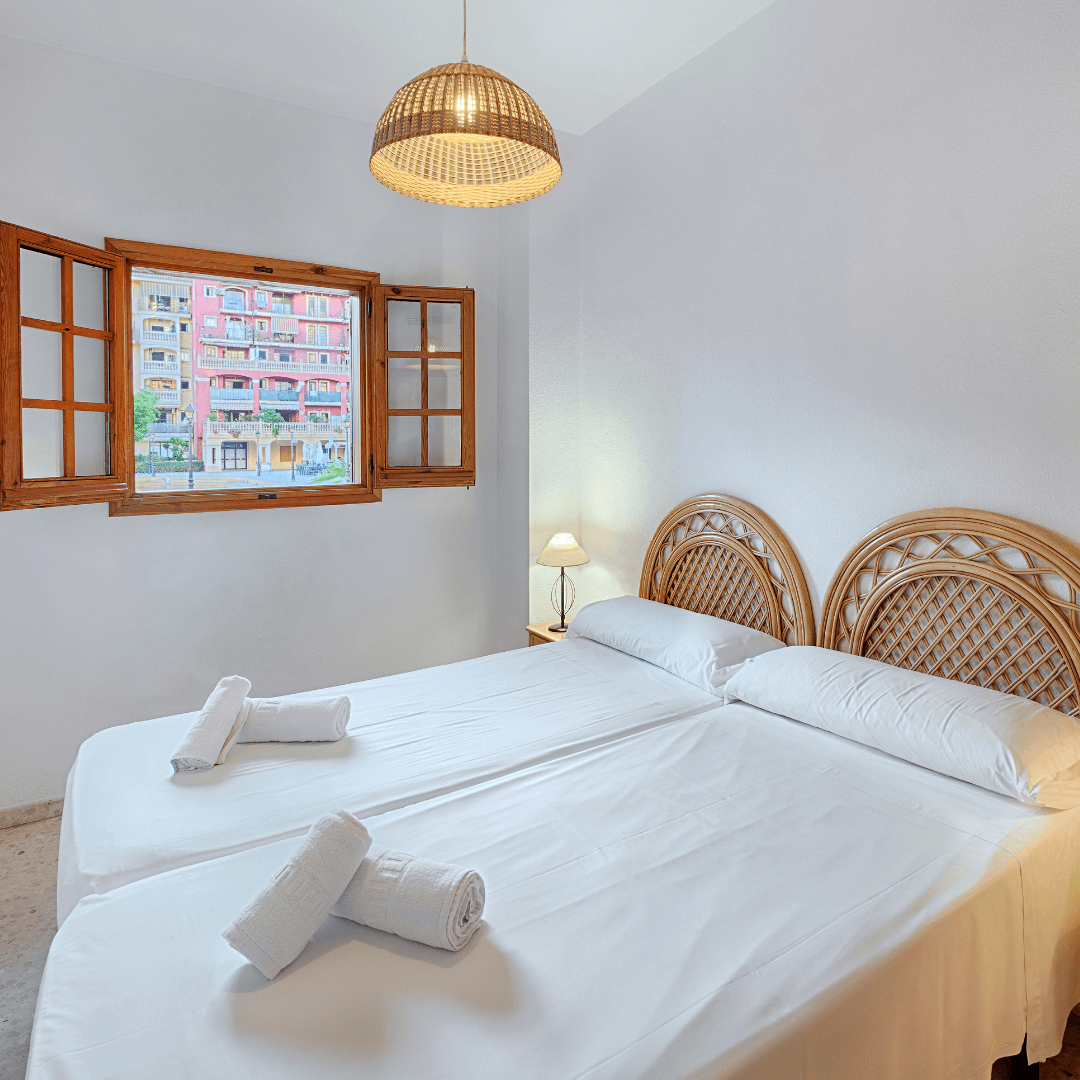
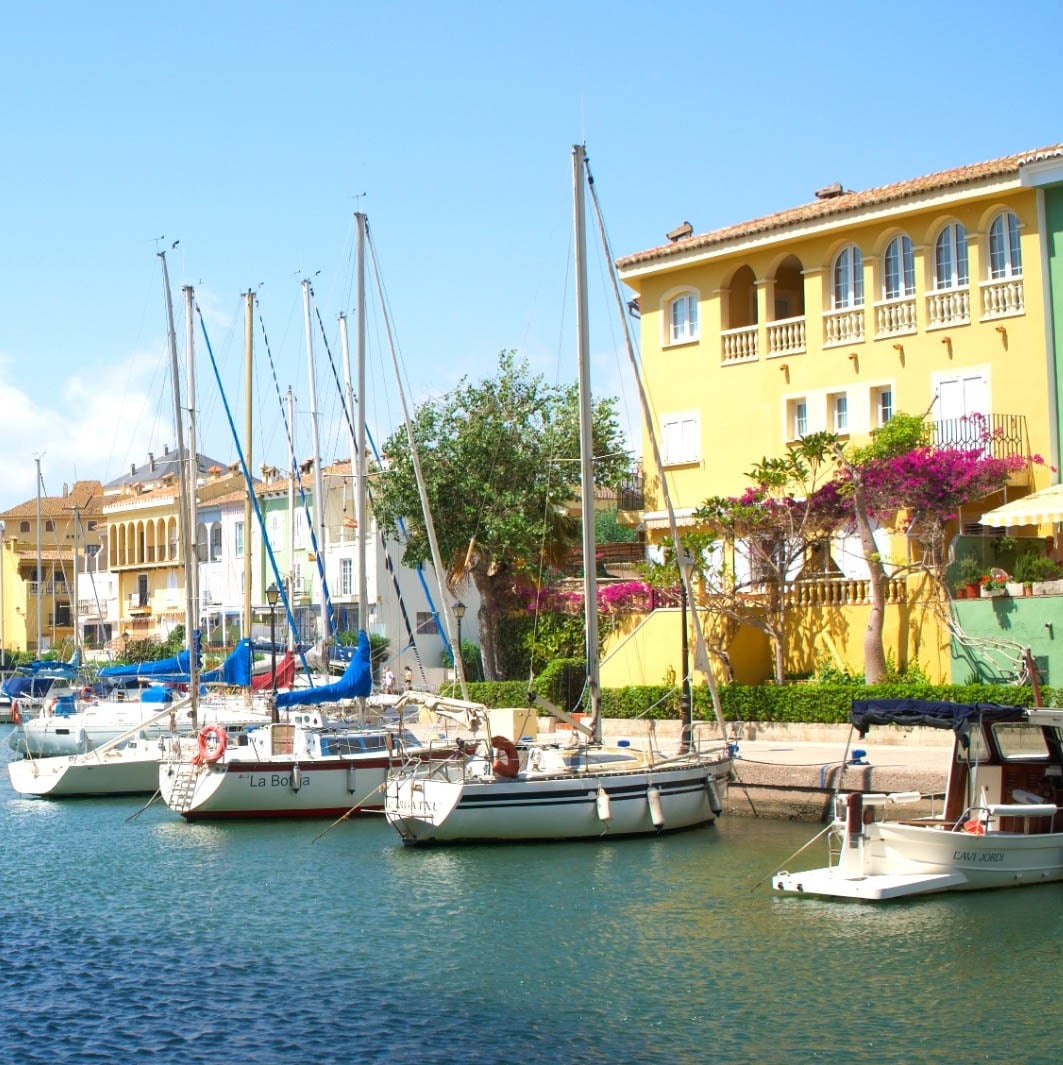
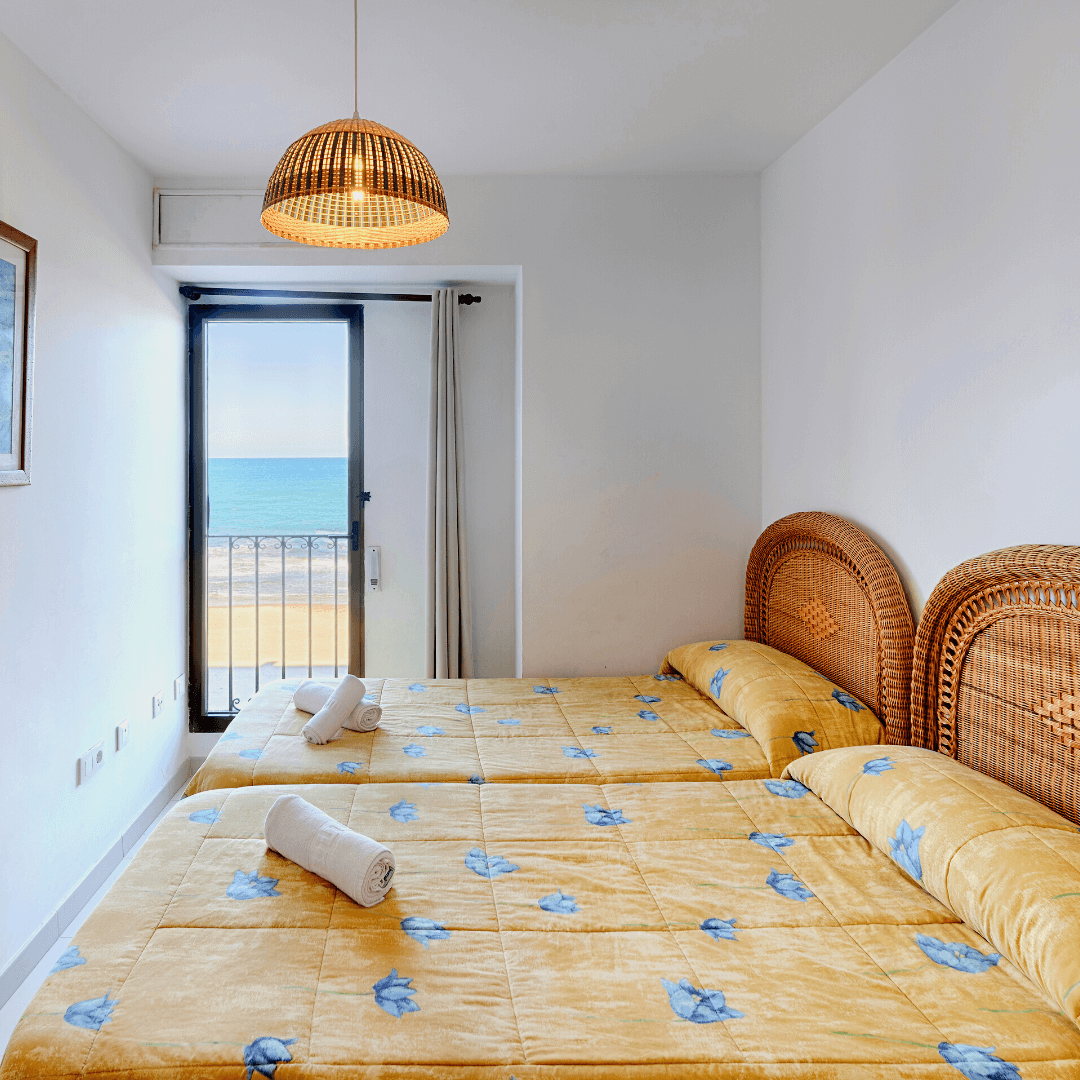
Sea You Apartamentos Port Saplaya — Discover your gastronomic base Valencia is savored over time. Let every meal tell you a story.
Valencia